
Check Your Warranty Timeline
This is not legal advice.
In This Article
Most new homeowners assume their warranty covers less than it does. With good documentation and the right timing, the builder or the appliance manufacturer can cover more than you might expect.
Louisiana's New Home Warranty Act gives you three windows: one year for workmanship and materials, two years for plumbing, electrical and HVAC, and five years for major structural defects. The timeline tool above shows where you stand.
Before you close
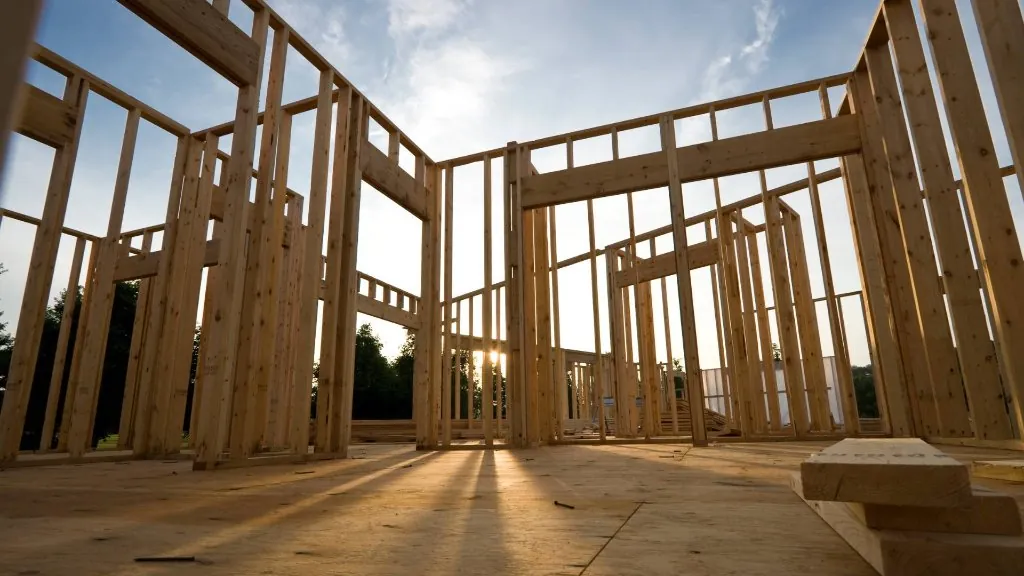
Warranty claims are easiest when problems get caught before they're covered up. Phase inspections at pre-pour, pre-drywall and final let us see foundation prep, framing, wiring and plumbing while they're still exposed. They also give you a documented record before you get the keys. Our page on new construction phase inspections covers each phase.
Closing is also when you have the most leverage. Ask your builder to gather appliance manuals and manufacturer warranty information before you sign, not after.
Rock Solid Recommendation
Book your 11-month warranty inspection at the same time as your final inspection. It's one less deadline to track.
1. The 11-month warranty: your first year
What's covered: Your first year is the broadest window. Workmanship and materials throughout the home are covered against defects that don't meet building standards. The items we see most often are A/C that has trouble cooling, drywall cracks, under-applied paint and installation problems.
What to watch for: Some defects need time to show up. Leaky fixtures, flooring installs that finally give way, and movement from Louisiana's swing between heating and cooling seasons often don't appear until you've lived in the home most of a year. Pay attention to strange sounds, creaks and smells. You know your home's quirks better than anyone.
Inspector Insight
The obvious problems usually get reported. The bigger issues are the things that "can wait" or are "not that big of a deal," and those can turn into larger repairs later. Water that runs a bit cold could be a setting that needs adjusting, or it could be a water heater that isn't working right. A small drywall crack could be a peeled seam, or it could point to attic framing that isn't secured quite right. Look into the small things and write them down before your deadline.
What to do now: Schedule your inspection at about 11 months. If you go too soon, at four or five months, you'll miss the break-in defects. At 11 months, they've had time to show up, and you still have time to talk with your builder before the deadline.
You'll get a clear, photo-rich report covering our findings and anything you noticed during the year. We can look into the sounds, creaks and smells a visual inspection might not catch. We can also add thermal imaging, mold testing or a sewer camera inspection to find defects you can't see.
Appliances: manufacturer or builder?
If the appliance or one of its parts fails, the claim goes to the manufacturer. If it was installed wrong, the claim goes to the builder. Louisiana's warranty law leaves appliances covered by a manufacturer's warranty out of the builder's responsibility. Before you call anyone, figure out whether the unit itself failed or whether it was connected or mounted wrong.
Next steps: How to documentHow to file
2. The 2-year warranty: plumbing, electrical and HVAC
What's covered: Your plumbing, electrical, heating, cooling and ventilation systems are covered for two years. Workmanship items from your first year are no longer covered.
What to watch for: The issues we see in this window include plumbing leaks, failed breakers, loose or separated ductwork, and symptoms that can point to an undersized HVAC system. In south Louisiana, the A/C deserves your attention through a full summer. Watch for loud sounds from the blower fan or the outdoor unit, trouble keeping the house cool, and higher-than-normal humidity indoors. Our guide to common A/C problems covers what those symptoms can mean.
What to do now: Write down symptoms when you notice them, including the date, the room and what you heard or felt. Report them as a problem with the system itself. "The house won't stay cool and feels damp" is a stronger claim than "it's humid in here." We can document the symptoms, but whether a system is sized correctly is a question for an HVAC contractor.
Next steps: How to documentHow to file
3. The 5-year builder's warranty: major structural defects
What's covered: Major structural defects, meaning framing repairs and foundation issues that affect the load-bearing parts of your home. This window is narrower than most people expect. A crack alone doesn't automatically qualify.
What to watch for: Crack width is only part of the picture, and no crack width automatically qualifies under the law. In our experience, cracks in the 1/16" to 1/8" range deserve a closer look, depending on what else is going on: doors sticking, cracked windows, visible slope, or differential (stepped) cracking that reveals larger movement. Some of these are normal, and it takes a trained eye to sort out the ones that matter. When the movement looks significant, we'll recommend a structural engineer.
What to do now: Photograph and date any cracks as soon as you notice them, then photograph them again later so the record shows whether they've changed. A SmartLevel survey can measure the low areas of the home that point to settling, which backs up what you can see.
Next steps: How to documentHow to file
4. After five years: home warranties
What's covered: Once your builder's windows close, a home warranty is a good option. Home warranty companies sell yearly service contracts that repair or replace covered systems and appliances when they fail from normal wear. We're not affiliated with any home warranty company.
What to watch for: Read the exclusions before you buy. Home warranty contracts typically exclude damage from poor maintenance and from improper installation, repair or modification. They also typically exclude pre-existing conditions. It's the same rule as your builder warranty: a failure under normal use is a strong claim, and a failure from neglect is a weak one.
What to do now: Plan for the service fee. The plan price isn't the only cost: after you buy, a service fee usually applies each time a contractor comes out on a claim. You typically choose your fee when you sign up, and a lower fee usually means a higher plan price.
Already have a home warranty? An inspection can find failing systems you can file a claim on. Shopping for one? Buy it first. Problems documented before your coverage starts are usually excluded as pre-existing.
Claims go to the warranty company by phone or online, not by certified letter to a builder.
Note on service fees: Expect around $75–$150 per service visit. This fee is charged after the fact, each time you file a claim and a contractor comes out, on top of what you paid for the plan.
Typical costs are national averages for general budgeting only. Fees vary by company, plan and contract year, so check your own contract for exact terms.
Your claim toolkit, for every window
How to document a warranty claim
Your goal is a clear, easy-to-read report that identifies each issue and explains why it matters. Every item needs a clear photo, the date you noticed it and a short description.
At 11 months, the builder is responsible for defects in workmanship and materials. The better you can show and explain a problem, the better your chance of getting it fixed.
Keep a running log in Google Docs or a Word document. Add each item as you notice it, with a photo, the date and a short description. By the time your deadline comes around, the log is the report you hand your builder. Our guide to getting the most from your inspection report shows how to pull findings into it.
Pro Tip
Don't try to act as your own code inspector or attorney. There's a reason those roles require extensive training to do properly. Always lead with good questions and good information, and escalate as needed. Building code compliance isn't part of a home inspection report, but if you have a building code question, we're always happy to be a resource for our clients.
Pro Tip
Send your issues all at once. When everything is in one request, the builder or subcontractor only has to come out once to fix similar problems.
How to file: email for conversation, certified mail for the record
Use email or text for everyday communication with your builder. It's quick, and it leaves a paper trail.
For the official warranty request, send certified mail. Louisiana's warranty law requires written notice by registered or certified mail within one year of discovering a defect, and a certified letter removes any question about whether you met that requirement. Notice also has to go out before that coverage window ends. The deadline to file suit is short (30 days after the window closes, La. R.S. 9:3146), so talk to a Louisiana attorney early if your builder doesn't respond.
Don't repair the problem yourself before you've sent notice. The law expects you to give the builder a chance to fix it first. Emergency steps to stop further damage are different: photograph them and keep receipts.
Address the letter to your builder, even though a subcontractor will most likely do the work. The warranty runs from your builder to you, so the builder is responsible. If a sub doesn't show or patches something poorly, that's the builder's problem to resolve, not yours to chase.
Expect some pushback on certain items. If you've communicated clearly, you're in a much stronger position to get your new build taken care of.
What weakens a claim
A failure under normal use is a strong claim. A defect caused by deferred maintenance is a weak one. Change your A/C filters, keep up with routine care, and keep a record that you did.
Condition matters too. A builder will acknowledge drywall failures in a spotless house much more readily than in one with dents and dings everywhere.
The most common way to lose a claim is waiting too long. The "it can wait" items are the ones that cost you once the window closes.
When a professional is needed
You can catch a lot yourself. Some calls take a trained eye, though. Whether a crack is normal settling or real movement, what a strange sound or smell points to, and whether something meets code are all judgment calls built on training and experience.
That's where we come in. We investigate, document and give you a clear report to take to your builder. We're not contractors, and we're not here to sell you a repair. Our job is to help you ask the right questions before your deadline passes.
Frequently Asked Questions
Bottom line
Your builder warranty covers more than most homeowners think, but only if you report problems in writing before each window closes. Keep a running log, send your issues all at once, and use certified mail for the official request.
Book your 11-month inspection at your final inspection so the deadline never sneaks up on you. And when something doesn't look right, don't decide on your own whether it can wait. Get it documented while there's still time for your builder to fix it.