What Is a Sewer Scope Inspection?
A sewer scope inspection, also called a sewer video camera inspection, is a visual inspection of the underground sewer lateral that runs from the home—typically at or near the foundation—to the municipal sewer connection or private septic system.
The sewer lateral is a privately owned pipe, meaning repairs are the homeowner's responsibility, not the city's. In Southeast Louisiana, aging infrastructure, clay soils, high groundwater levels, and older cast-iron piping make sewer scope inspections not just valuable, but often a necessity.
How Does a Sewer Video Camera Inspection Work?
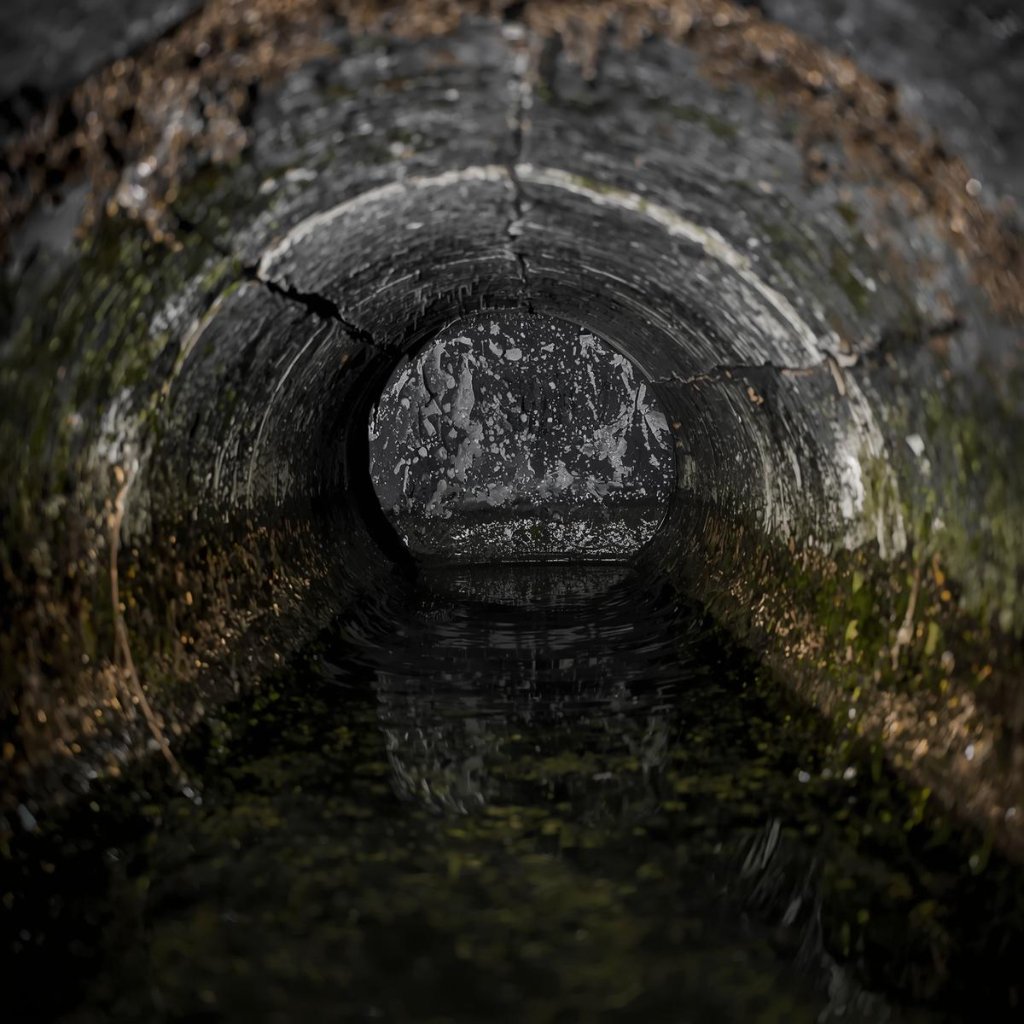
A specialized, high-resolution camera is inserted through an accessible cleanout or main drain and advanced through the sewer line. This allows the inspector to visually confirm pipe material, alignment, slope, and overall condition, while identifying defects in real time.
This inspection is typically performed at the end of a home inspection and can uncover issues that are not visible during a standard visual inspection. Sewer scope inspections have helped many clients avoid unexpected, high-cost plumbing repairs.
Did You Know?
Homes built before 1990 in the Baton Rouge area commonly used cast-iron or clay sewer laterals that corrode and crack over decades. Because that line is buried and privately owned, a camera scope is the only practical way to confirm its condition before you commit to the purchase.
Why Sewer Scope Inspections Are Important in Southeast Louisiana
Sewer scope inspections provide critical information for both homeowners and buyers
Common Regional Issues
Deteriorated Cast-Iron Piping
Older piping materials common in Southeast Louisiana homes
Root Intrusion
Expansive soils and mature vegetation causing roots to penetrate pipes
Pipe Separations or Offsets
Soil movement or older clay and cast-iron materials causing misalignment
Bellies (Low Spots)
Trap waste and debris, often from foundation settlement or past repairs
Cracks, Corrosion, or Collapsed Sections
Caused by improper materials or backfill conditions
Potential Repair Costs
Our inspection can identify big repairs!
Visible warning signs—such as persistent drain backups, foul odors, damp areas in the yard, or unexplained plumbing issues—often originate underground and cannot be confirmed without a third-party sewer camera inspection.
Who Should Get a Sewer Scope Inspection?
What's Included in Our Sewer Scope Inspections?
- High-resolution video camera inspection
- Identification of sewer pipe material and condition
- Documentation of defects, blockages, or concerns
- Clear written findings with supporting images
- Integration with our home inspection report when applicable
All sewer scope inspections are performed by Rock Solid Inspections with Southeast Louisiana conditions in mind.
Frequently Asked Questions
Why Sewer Inspections Are Essential in Southeast Louisiana
The Greater Baton Rouge area presents some of the most challenging sewer infrastructure conditions in the country. Older neighborhoods throughout East Baton Rouge and Livingston parishes commonly feature cast-iron or clay sewer laterals that have been in service for 40 to 70 years. These materials corrode, crack, and collapse over time — and the region's expansive clay soils, high water table, and mature tree canopy accelerate the damage.
Unlike a standard home inspection, which is limited to systems visible and accessible without excavation, a sewer camera inspection feeds a high-definition camera directly through your main sewer lateral to document its condition from the inside. Root intrusion, pipe bellies, offset joints, and corrosion that would otherwise remain hidden until a costly backup or collapse occurs are clearly visible in real time during the inspection.
We strongly recommend sewer scope inspections for any home built before 1990, any property with large established trees near the sewer line, and any home where the seller has disclosed plumbing issues or slow drains. Bundling a sewer camera inspection with your home inspection is the most efficient approach — we perform both services in a single visit, keeping your contingency timeline on track while providing a more complete picture of the property's condition. Call (225) 251-9935 to add a sewer scope to your upcoming home inspection.
How a Sewer Scope Inspection Supports Your Decision
Because the main sewer line is buried and privately owned, its condition is impossible to confirm without looking inside. A camera inspection turns a hidden system into documented information.
Confirms a hidden system's condition: The sewer lateral runs underground from the home to the municipal connection; a camera inspection is the practical way to document its actual state.
Informs repair or replacement planning: Identifying the type and location of a defect helps owners understand the scope and prioritization of any needed work.
Strengthens buyer due diligence: Documenting the line before closing helps buyers factor a significant hidden cost into their purchase decision.
Supports seller transparency: Sellers who scope the line beforehand can disclose its condition or address issues before a buyer's inspector raises them.
What to Expect
A general overview of when this service is needed, how it works, and what comes next.
When This Inspection Is Needed
A sewer scope is recommended for older homes, homes with large trees near the sewer line, or when there are signs of slow drains or backups. It's commonly added during a buyer's due-diligence period.
How the Inspection Works
A high-definition camera is inserted into the home's main sewer line and fed through the pipe to record its condition, identifying blockages, root intrusion, cracks, bellying, and joint issues. The process is non-invasive and requires no digging.
What to Have Ready
Provide a clear path to the main sewer cleanout, typically located outside the home or in a crawlspace. Make sure the cleanout is accessible and not buried or blocked.
After the Inspection
The inspector documents the camera findings — including the location and nature of any defects — in a written report that can be used to plan repairs or negotiate with the seller.
Why This Inspection Matters
A sewer camera inspection documents the condition of the main sewer line so buyers and owners can plan ahead rather than reacting to a backup.
See what's below the surface
A video scope shows the interior of the line, identifying blockages, root intrusion, or damage a visual inspection cannot reach.
Inform purchase decisions
Knowing the line's condition before closing helps buyers weigh a significant cost that would otherwise stay hidden.
Plan maintenance proactively
Documented concerns help owners schedule cleaning or repairs before a failure occurs.
Support negotiations
Findings can support repair requests or pricing discussions with documented observations.
Related Inspection Services
Services that pair naturally with what you're exploring
Buyer's Home Inspection
Bundle a sewer scope with a full buyer's inspection for complete coverage of the home's systems.
Learn morePre-Listing Inspection
Sellers can verify the sewer line before a buyer's inspector uncovers an issue mid-transaction.
Learn moreNew Construction Inspection
Even new builds can have improperly installed sewer connections worth documenting.
Learn moreMold Inspection & Testing
Sewer and plumbing issues often coincide with moisture problems worth testing for.
Learn more